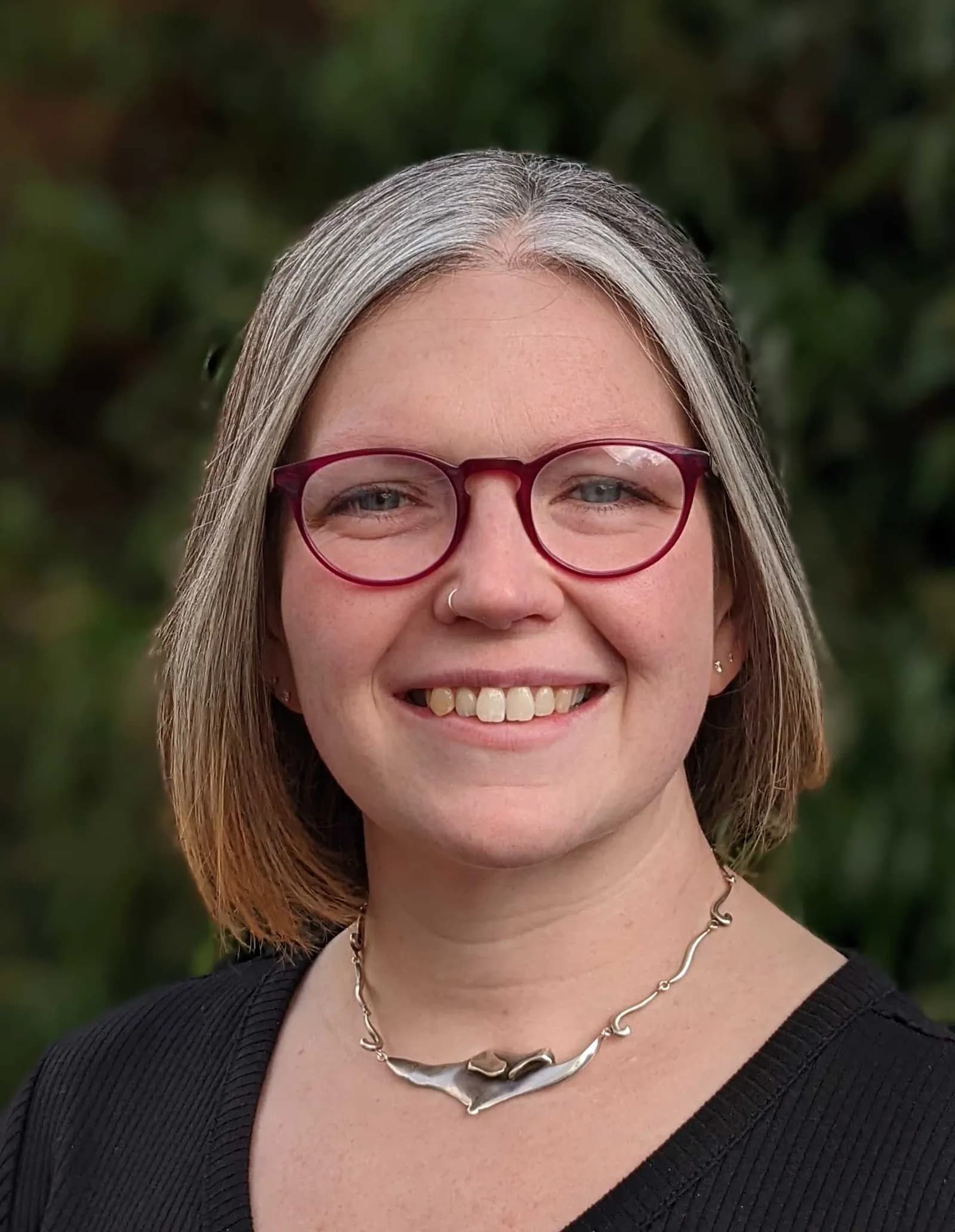
Before any breakthrough can make a difference, Dr Steph Archer believes that the needs and experiences of people must first be understood.
Now, the health psychologist is putting that philosophy into practice by leading a pioneering study giving people with an inherited risk of cancer the opportunity to shape a bold new approach to cancer prevention.
Thanks to funding from Yorkshire Cancer Research, the PARP Inhibitors for Cancer Risk Reduction in Carriers (PARCC) study will explore whether a class of drugs known as PARP inhibitors - already used to treat certain cancers - could become a new option for preventing cancer in those who carry particular genetic variants linked to an increased risk of the disease.
Putting people at the heart of research
Steph’s passion for research began with a clear ambition to help people live healthier, better lives. She completed her PhD in gynaecological cancer in 2013, dividing her time between research at the University of Derby and supporting people with cancer in the gynaecological department at the Royal Derby Hospital. Her work focused on identifying ways to improve care and support for women following surgery for breast and gynaecological cancers.
Steph said:
“I've always been interested in people’s health and wellbeing. At first, I thought about being a doctor or a nurse, but I realised I was particularly drawn to understanding how people think, feel and make decisions about their health."
After working at Imperial College in London to explore ways to improve safety and quality in healthcare, Steph moved to Cambridge, where her research focused on predicting cancer risk and identifying ways to address that risk to suit the needs and experiences of people.
Around 175,000 adults in England are estimated to carry inherited variants in genes called BRCA1, BRCA2 and PALB2, which increase the likelihood of developing cancers including breast, ovarian, prostate and pancreatic cancer.
Everyone has BRCA1 and BRCA2 genes, which help repair damaged DNA and prevent cells from growing or dividing in an uncontrolled way. Some people carry variants in these genes that can affect how well this repair process works. These variants can often be passed down through families. When this repair process does not work as effectively, damaged cells can grow and multiply, and over time they may develop into cancer.
For people living with these genetic variants, options for reducing that risk can be limited and involve major surgery or hormone-blocking medicines, which may not be suitable for everyone. For those at higher genetic risk of pancreatic or prostate cancer, there are even fewer options available to reduce that risk. Instead, surveillance and monitoring are often recommended to support early detection, alongside lifestyle measures such as avoiding alcohol and stopping smoking.
The potential role of PARP inhibitors to help prevent cancer has been informed by findings from the OlympiA trial, which suggested the drugs may reduce the risk of developing a new, separate cancer in people with breast cancer who carry a BRCA gene variant. These findings have led researchers to explore whether PARP inhibitors could one day help prevent cancer in people at higher genetic risk.
Over the next two years, the PARCC study will involve 5,500 people to understand how they feel about PARP inhibitors becoming a new option to help prevent cancer. This includes investigating the benefits, risks and practical considerations that would matter most to them when considering taking this type of cancer drug.
Steph said:
"Once people know they're at risk of developing cancer, the next question is what can we do to help in a way that genuinely works for them? The PARCC study is built on that principle and pulls together lots of different threads from my research career. It’s about bringing people and their everyday lives into conversations that are often centred on drugs, laboratories and science.”
The research will begin by analysing data from the EMBRACE study, a large-scale cancer prevention study which involved more than 10,000 people across the UK who carry BRCA gene variants. Steph and her team will examine patterns in the choices people have already made to manage their cancer risk, particularly around taking risk-reducing cancer medication.
The next phase of the research will involve a series of surveys and interviews with people in Yorkshire and beyond designed to understand how they make decisions about cancer prevention treatments. This includes exploring what information they would want before joining a clinical trial, which benefits they would consider worthwhile, and what side effects or practical challenges they would be prepared to accept.
Steph continued:
“People aren't just thinking about the science. They're thinking about their families, their work, their relationships and their day-to-day lives. We need to understand those priorities and make sure they help shape the development of a future clinical trial and drug treatment from the very beginning.”
A bold vision for cancer prevention
PARP inhibitors are already widely used to treat cancers linked to BRCA genetic changes and can improve survival and quality of life for people with cancer. The first PARP inhibitor, Lynparza, was developed with funding from Yorkshire Cancer Research and has since helped treat more than 140,000 people with cancer worldwide.
By working with people with an inherited risk of cancer, alongside researchers and clinicians from across the UK, Steph hopes to complete the two-year PARCC study equipped with the vital knowledge needed to understand if, when and under what circumstances people would consider taking PARP inhibitors to reduce their cancer risk. The findings will be crucial in determining whether a clinical trial testing PARP inhibitors as a cancer prevention treatment could be developed in the future.
“While the study will last for two years, I hope we will have an early indication within the first year of whether people with these inherited genetic variants are generally supportive of taking PARP inhibitors to help prevent cancer. Before we get to that stage, however, we need to understand whether this is something people would actually want and under what circumstances they might consider taking it. Once we know that, we'll have a much clearer idea of how a future clinical trial could be designed and developed,” Steph added.
Yorkshire Cancer Research is funding the PARCC study as part of its commitment to exploring bold new research in cancer prevention. In September 2025, the charity and six other cancer charities called for urgent research into the promising approach of using PARP inhibitors as a future option for reducing cancer risk in people at high risk of hereditary cancer.
The charities also called for more investment in prevention research, which remains underfunded. In 2025, data from the National Institute for Health and Care Research showed just £22 million is currently being spent on cancer prevention compared to £195 million on cancer research as a whole. The PARCC study aims to help address regional health inequalities by targeting areas, including Yorkshire, which have been historically unrepresented in cancer research.
Yorkshire Cancer Research says addressing this gap is essential if the UK is to realise the ambitions set out in the Government’s National Cancer Plan, which aims to shift the NHS from a system that treats sickness to one that actively prevents it.
For Steph, the PARCC study represents a bold step towards a future that isn't just about treating cancer, but helping more people avoid a diagnosis altogether.
“Treatment research is vitally important, but if we can prevent cancer from developing, or delay it for people at high risk, that's a real opportunity to change lives."
She concluded:
“Ultimately, this study is about understanding what people need from future prevention treatments and ensuring their voices help shape this hugely exciting next chapter of cancer research. If taking a cancer prevention medication meant someone could spend more time with their children, that's what matters. That's what we're hoping to achieve with Yorkshire Cancer Research.”